About
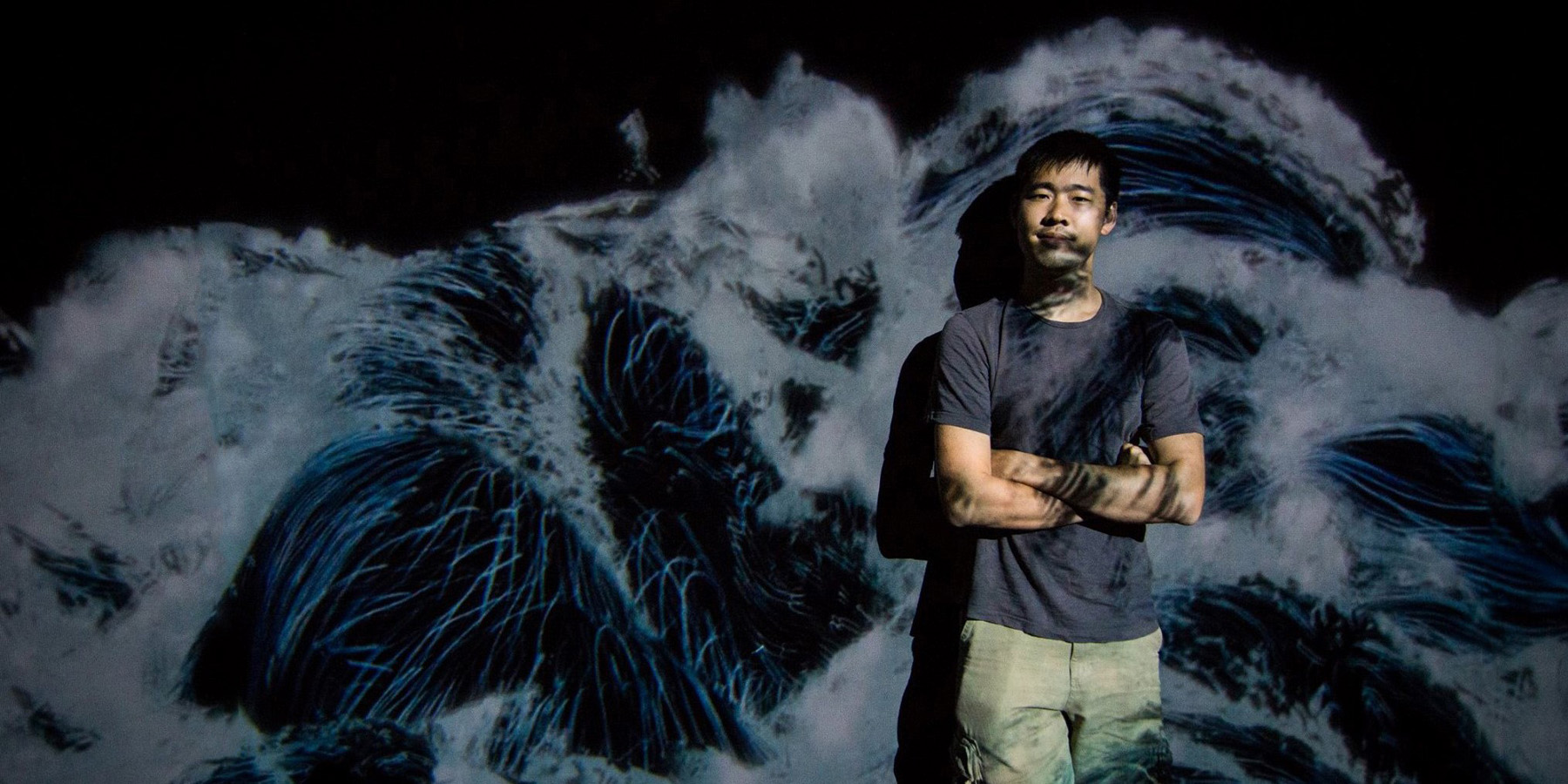
Welcome to my website! There's not much here, but make yourself comfortable anyways.
I am a Research Scientist at the Air Force Research Laboratory out in Edwards Air Force Base, California. Whether it is a Hall-effect thruster, a flock of birds, or financial markets, I enjoy viewing the world through the lens of complex systems and nonlinear dynamics. Broadly speaking, my attention is on data-driven methods - their applications, theory, and (hopefully) implementation as Digital Twins.
My PhD is in Physics (with a specialization in Computational Science) from UC San Diego, where I was also a Teaching Assistant, Teaching Associate, and Research Assistant. My Dissertation focused on novel data assimilation methods for the prediction of chaotic nonlinear systems.
Prior to my PhD track, I pursued a Masters degree in the Computational Science, Mathematics, and Engineering (CSME) program at UC San Diego. Even longer ago, I got my undergraduate degree in Physics, also from UC San Diego. Needless to say, I've thoroughly enjoyed my time at UC San Diego.
(Last Updated: 2/11/2026)
Research
PhD Dissertation:
The majority of my research can be summarized as time-series predictions of chaotic systems
after incorporating measurements.
From here, my research can be split pretty neatly into two categories: model-free and
model-based methods.
The model-free approach belongs under the broad umbrella of machine learning and is
known as Reservoir Computing, which was relatively new and unexplored at the time.
The model-based approach belongs under the broad umbrella of Data Assimilation. It
relies on a new paradigm of Data Assimilation where the constraint of having
time-ordered states is loosened to just time-locality. We also use a Monte Carlo based
optimizer in this approach, which was yet to be explored.
Both these methods are tackled from the perspective of Data Assimilation and the
understanding of nonlinear dynamics.
Post-PhD:
More recently, I am interested in understanding the theoretical and mathematical
underpinnings of machine learning, through the lens and intuition of
statistical physics and nonlinear dynamics.
Recurrent Neural Networks, in particular the Reservoir Computing approach, and Data
Assimilation appear to be related in a non-trivial way.
The mechanism of Generalized Synchronization is clearly involved, which seems to be
important in the development of Digital Twins.
Not only is the theory of it all interesting, but new theory - as always - can lead to
new ways of doing Data Assimilation.
My hope is to apply such a worldview to develop low-fidelity Digital Twins of complex
systems.
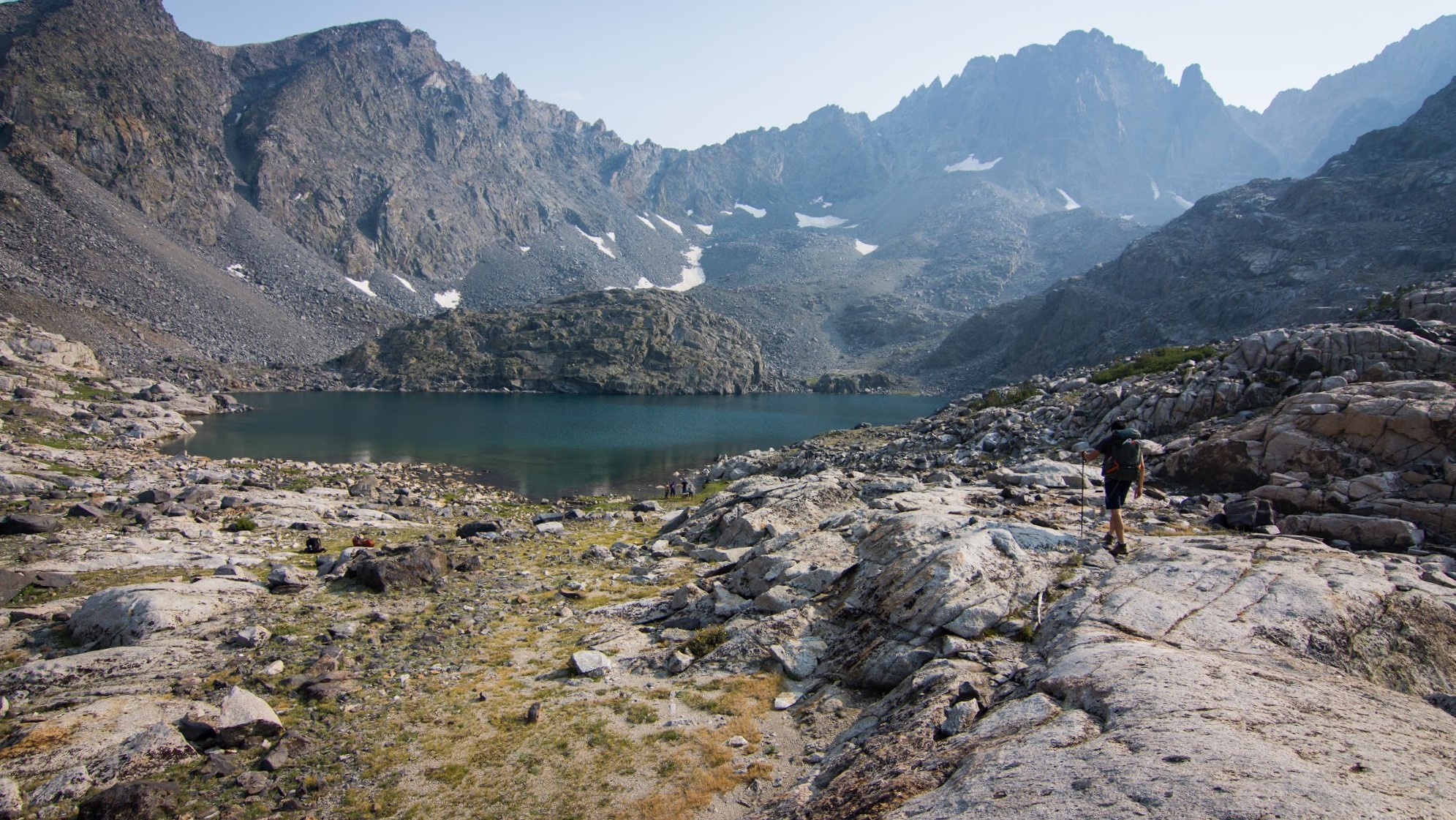
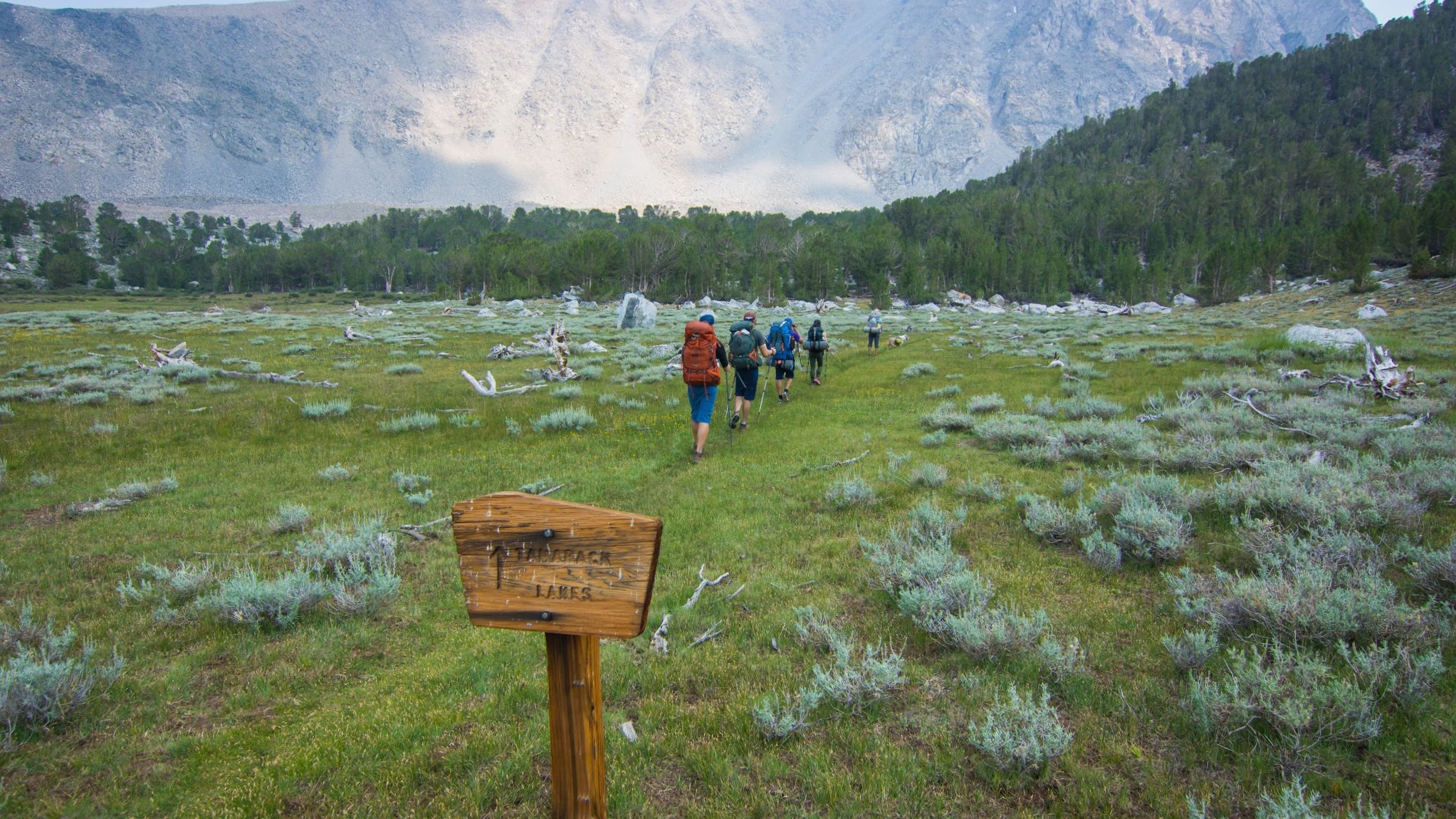
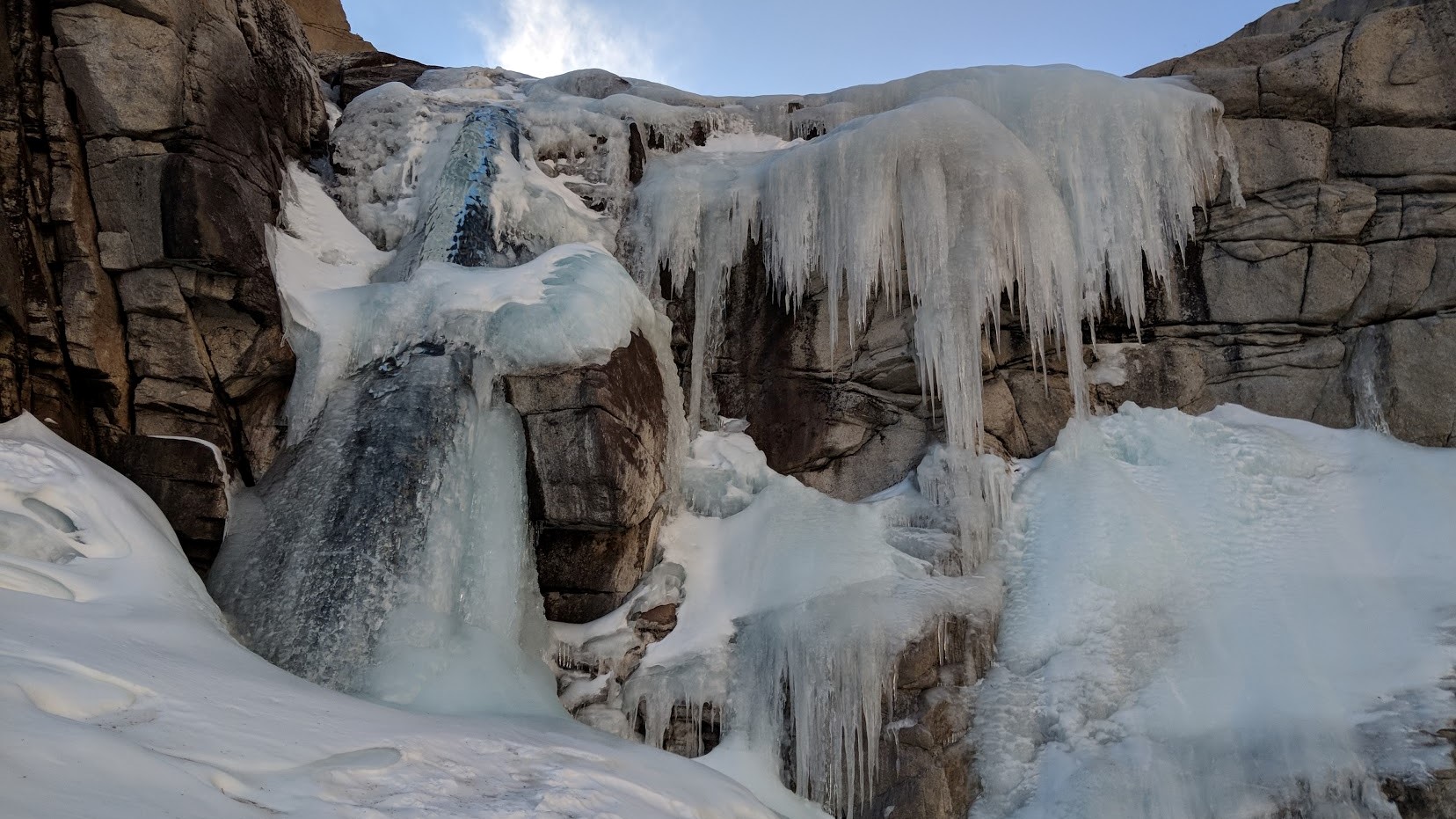
Tamarack Lakes, California
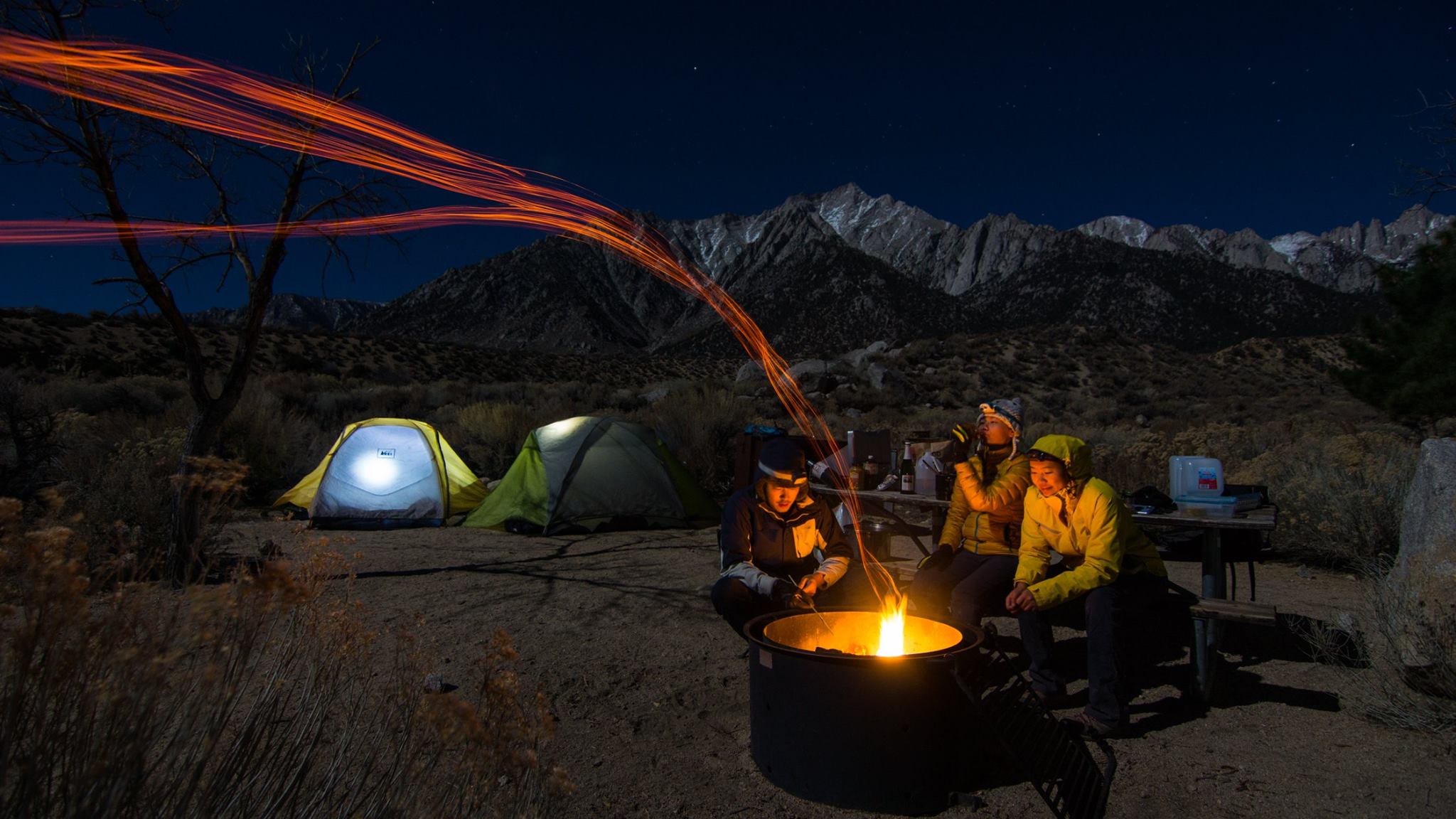
Mount Whitney, California
Hobbies
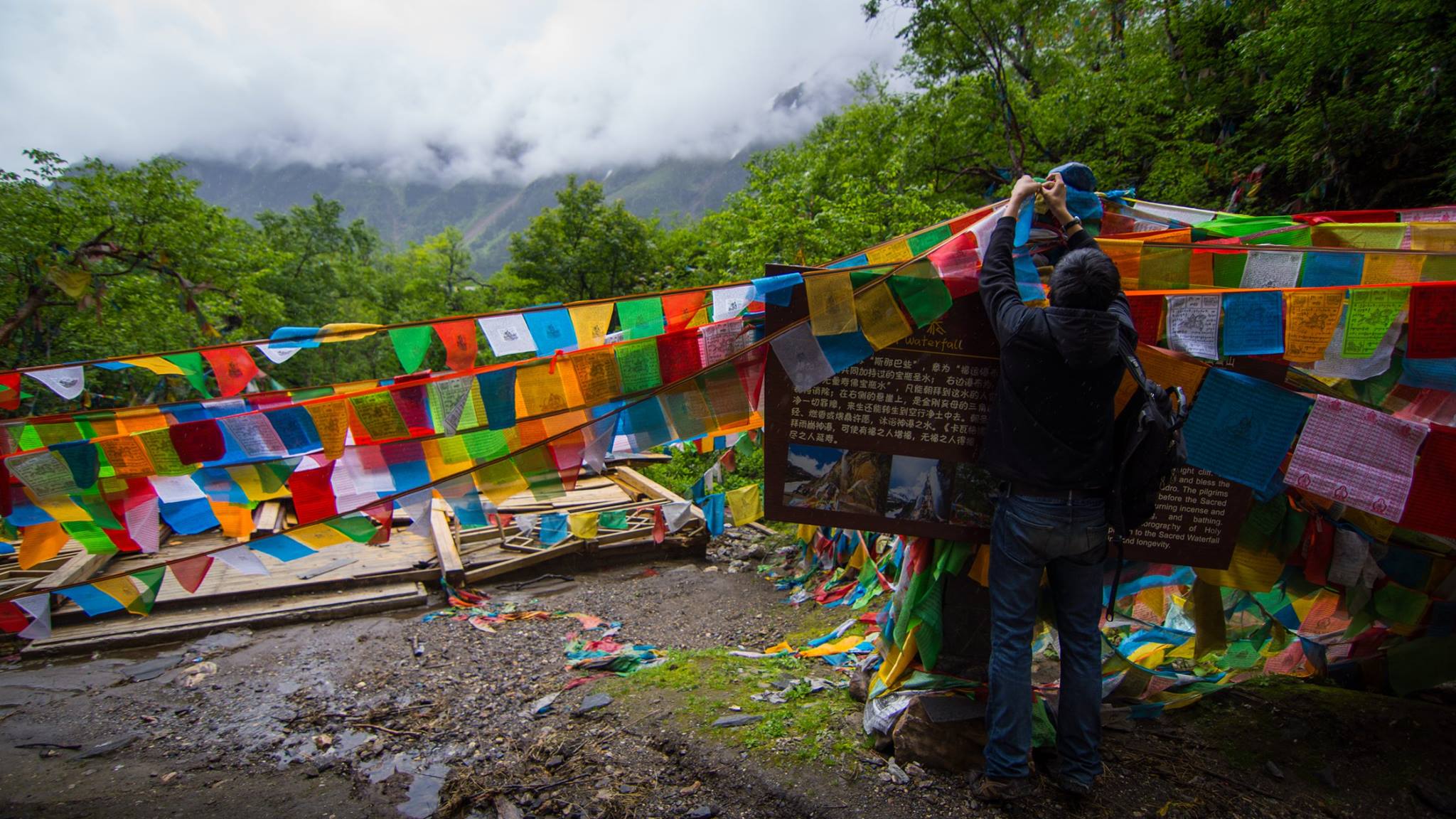
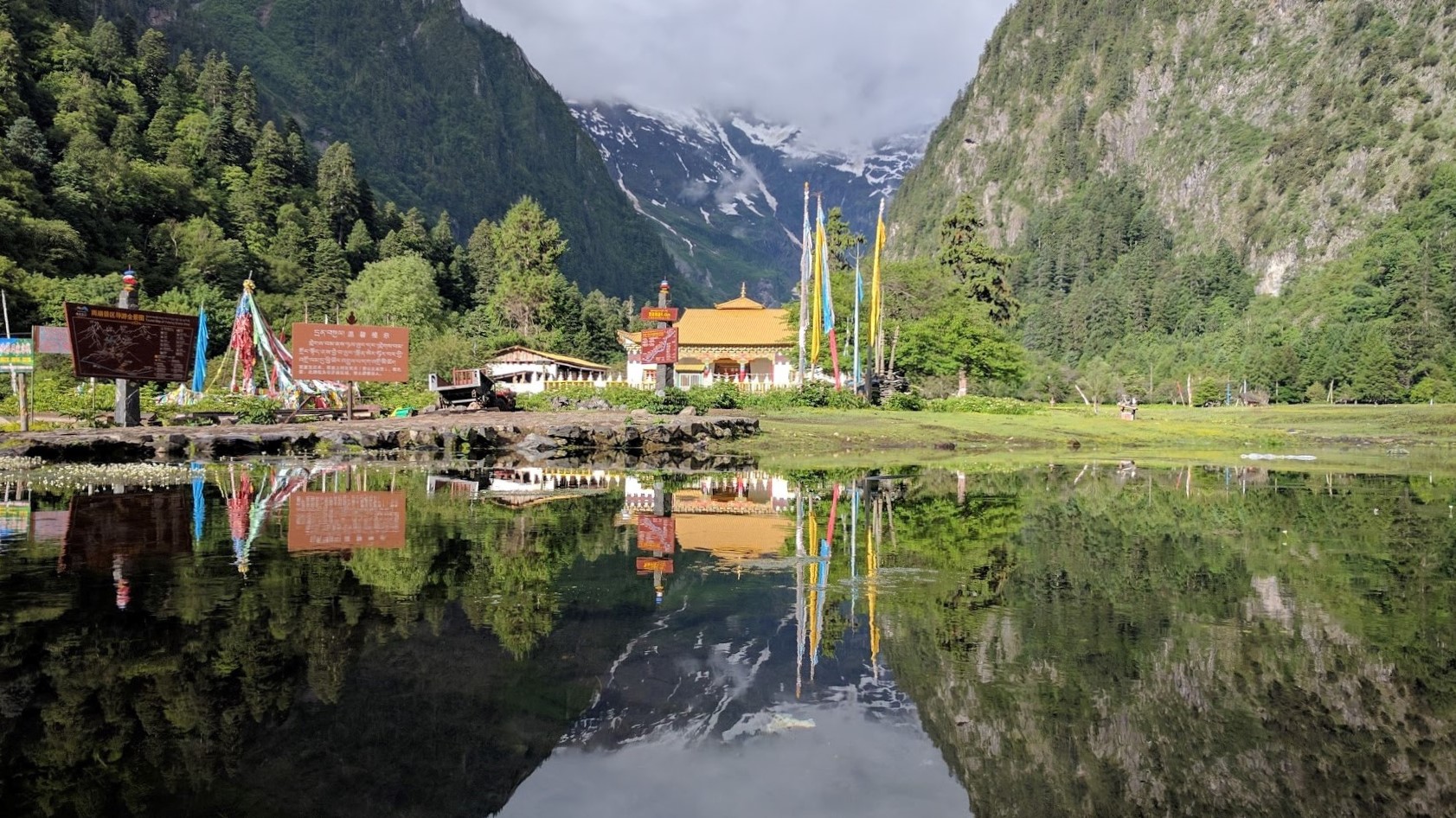
Among many things, I enjoy travelling and exploring the world. Hiking, camping, and backpacking are some of my favorite activities. I also "actively partake" in photography - primarily by carrying equipment around and occasionally being a prop/model. My (overly-)enthusiastic wife is the one actually taking the pictures and processing them. But the two of us make a good team, and the photos make our travels even more enjoyable! Here are a few of my favorite pictures/trips over the years. The most recent photos were 2018; more updates are desperately needed.
Yubeng, China
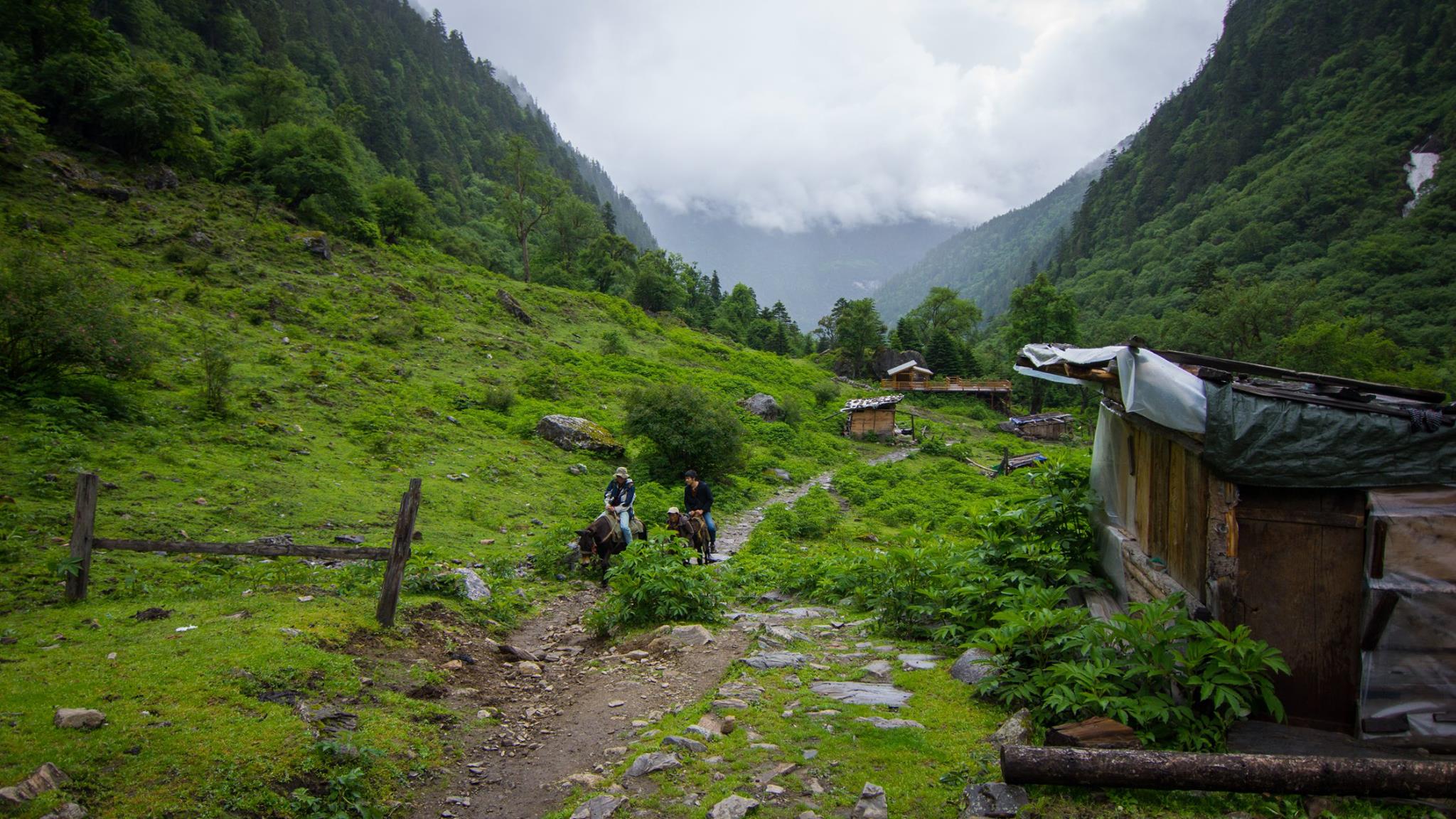
Redwoods, California
Other
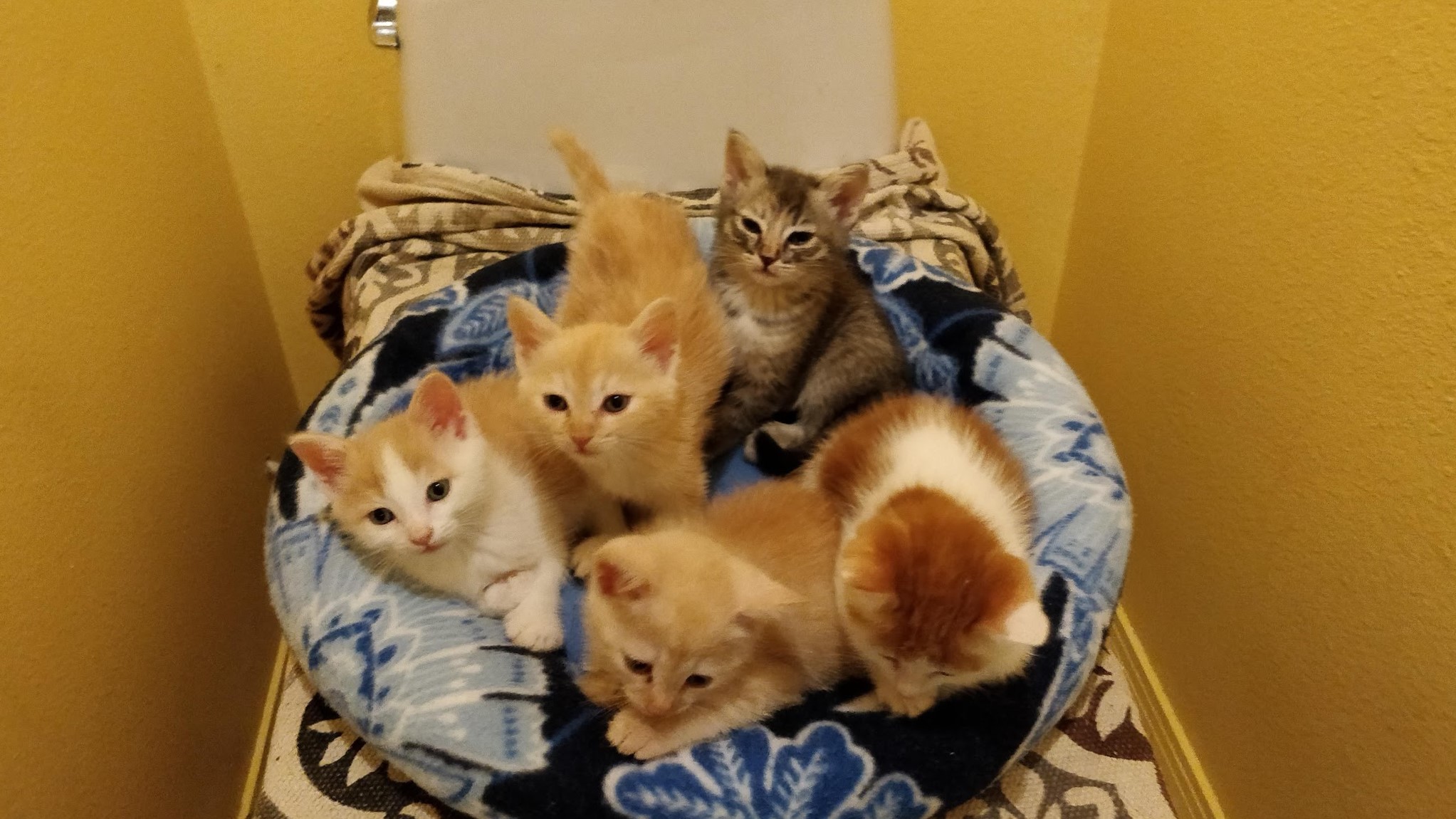
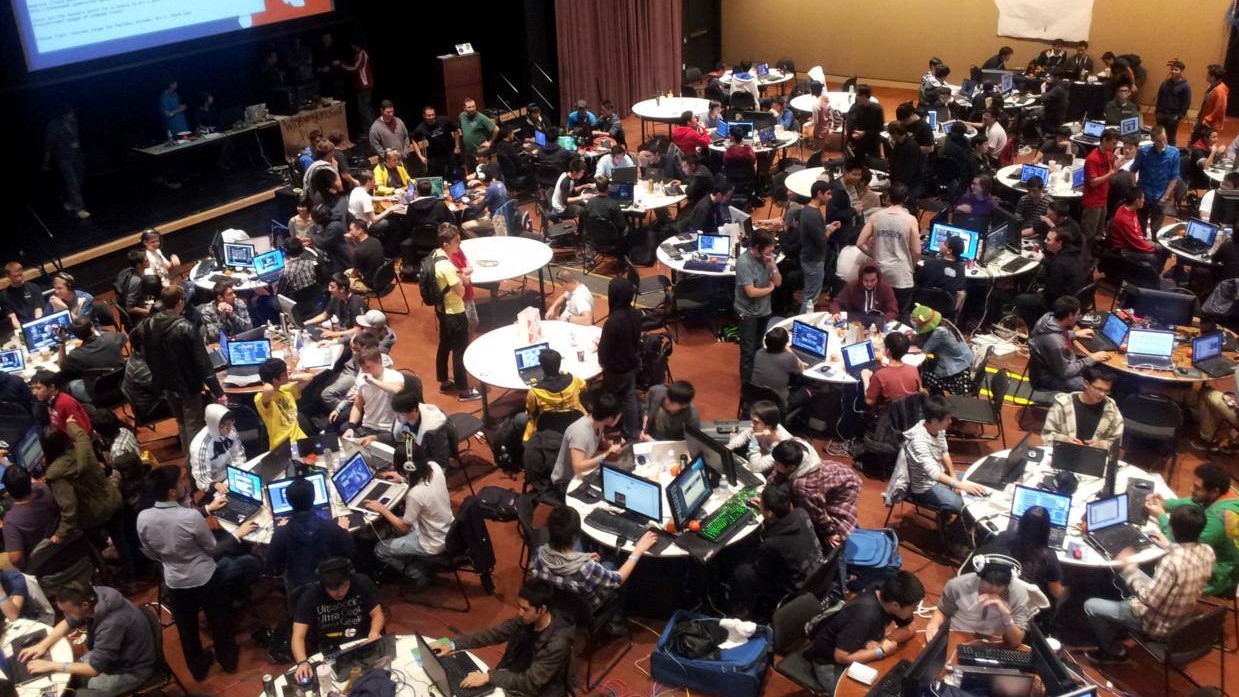
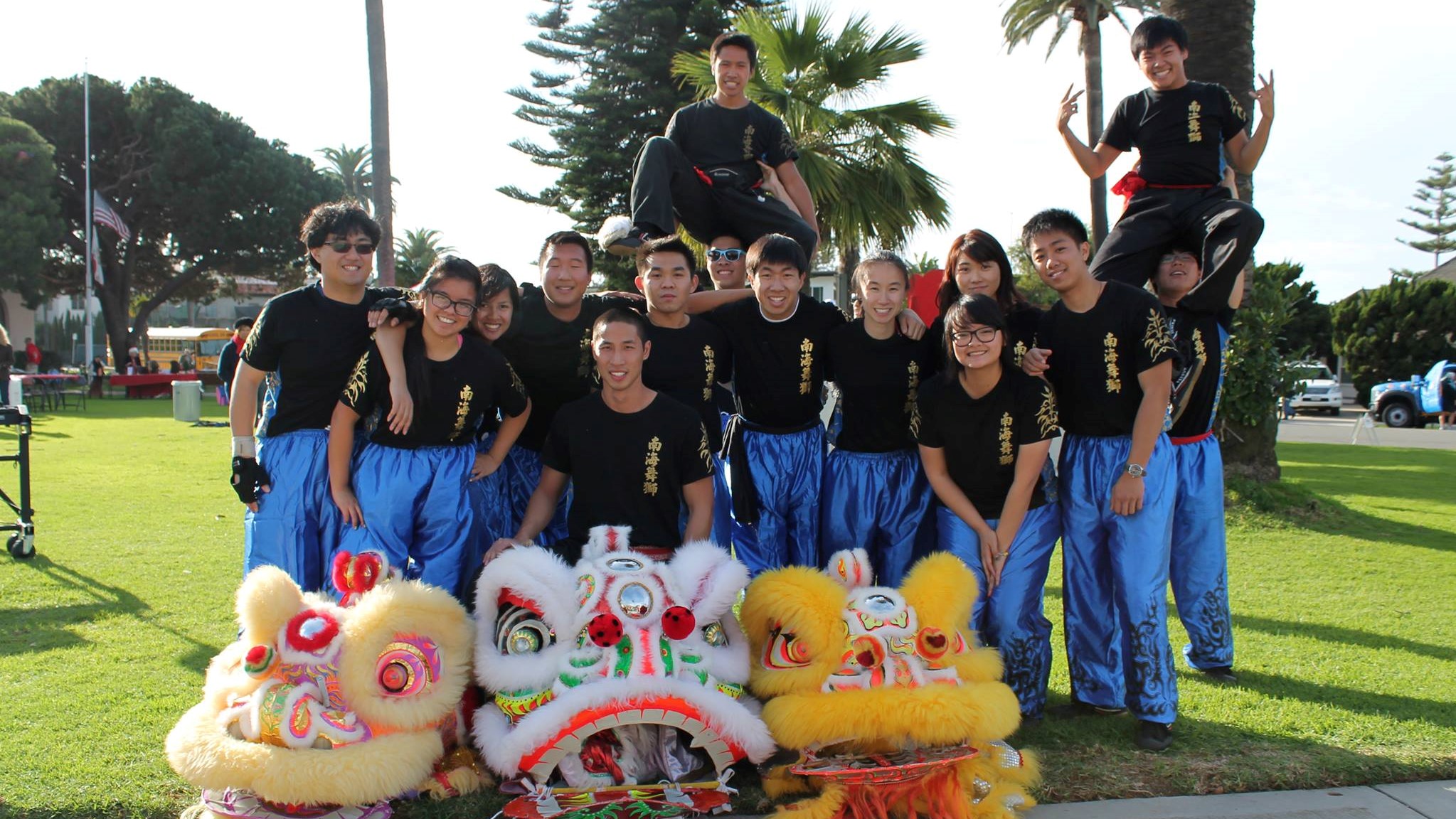
In addition to travelling, I also foster kittens! In the past, when there was more time, I have volunteered for the Boy Scouts of America. Back in my undergraduate days, I was a part of Sixth College Student Council and would host Winter GameFest, which is a celebration of video-game culture that attracts thousands of people every year! To keep up with my cultural roots (and to get some decent exercise) I participate in the traditional Chinese performance of Lion Dance. That's me in the middle carrying my good friend (and best man) on my head! Another one of my hobbies is cooking, which is really an excuse for indulgent over-eating. I embrace both the traditional cooking of my Malaysian and Chinese heritage, as well as the generic Western cuisines.